First principles
Starting with digital logic, analog circuits, and the questions underneath both.
Integrated Circuit Design / HCMUT
Exploring digital systems, CMOS fundamentals, and the patient journey from logic to silicon.
I am a fourth-year Integrated Circuit Design student at HCMUT, learning to move carefully between abstraction and implementation.
My work spans digital and analog circuits, CMOS fundamentals, RTL design flow, and EDA-based simulation. I care about understanding why a design behaves the way it does, then communicating that reasoning clearly.
I am looking for an internship where I can keep learning, contribute with precision, and grow closer to the semiconductor industry.
Start a conversation ↗A growing toolkit for turning questions into circuits, simulations, and decisions.
From logic fundamentals to RTL thinking: translating behavior into synchronous, testable structures.
Three documented projects, with methods, results, and the limits of each claim.
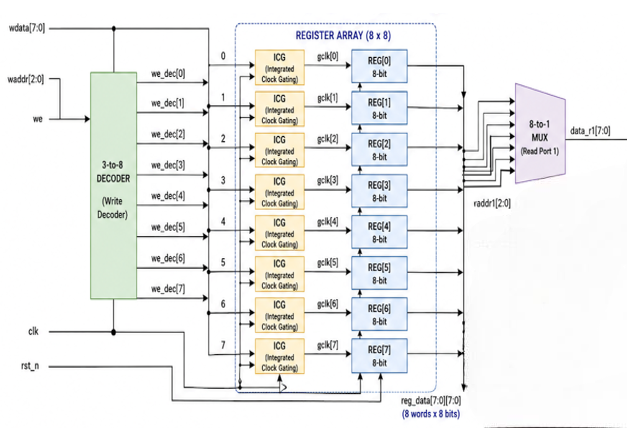
A documented team project for an 8-register × 8-bit bank with one write port, one read port, and a latch-based Integrated Clock Gating path.
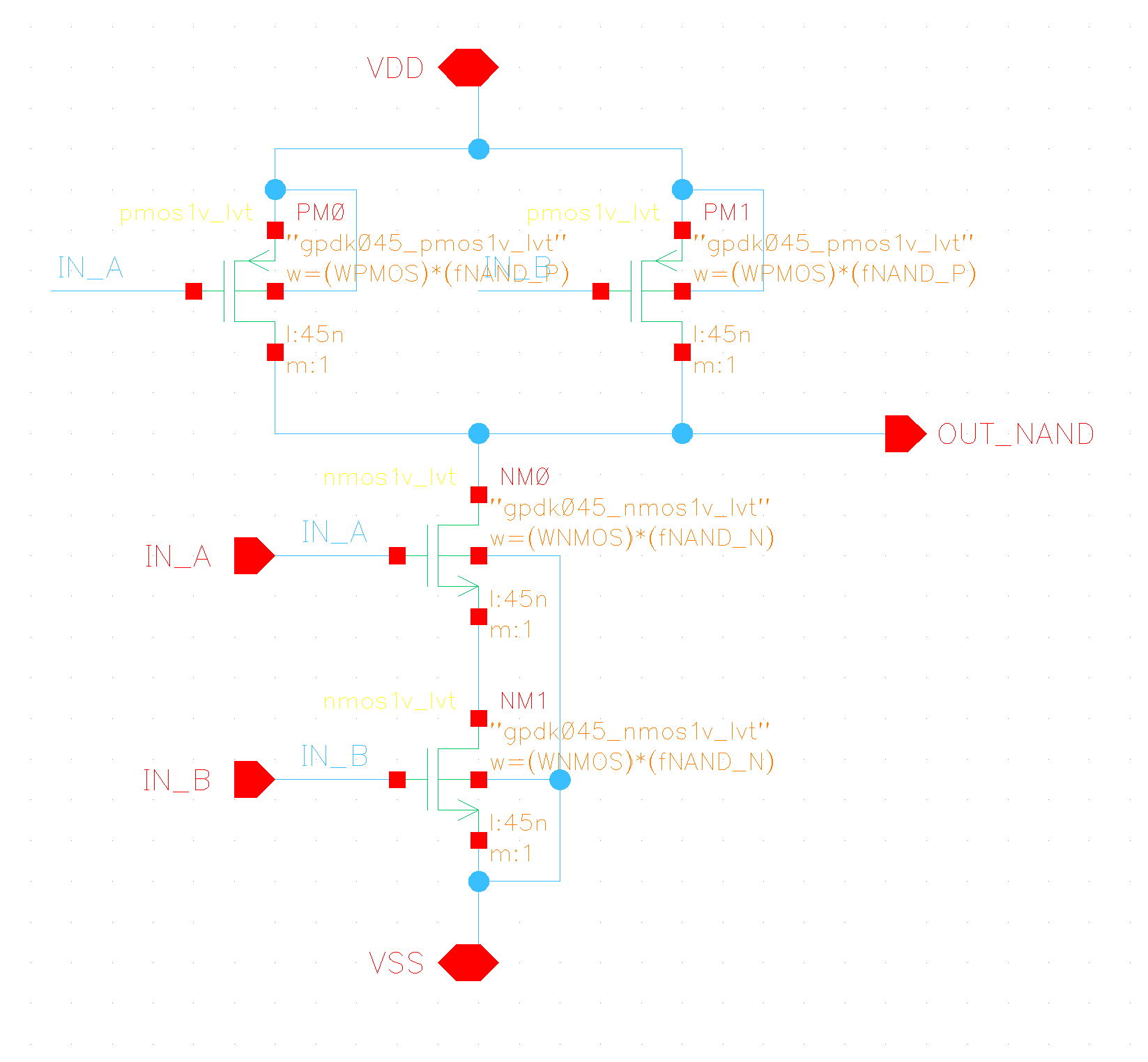
A documented study of StrongARM, Double-tail, and Preamp-assisted StrongARM topologies under SRAM-style small-swing sensing.
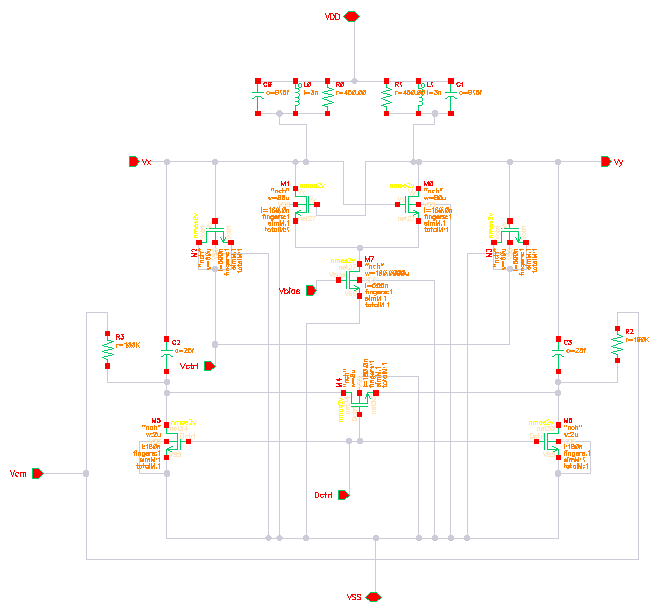
A TSMC 180 nm schematic-level PLL project targeting 2.4 GHz, a 1 MHz step, and a total divide ratio N=2400.
Measurements below are tied to the conditions reported in the project documents. A result is useful only when its test context travels with it.
A timeline without inflated milestones — just the next useful question, and the work that follows it.
Starting with digital logic, analog circuits, and the questions underneath both.
Exploring SystemVerilog, RISC-V architectures, and RTL design flow.
Moving into CMOS, VLSI laboratories, and EDA-based simulation.
Turning academic projects into clear engineering stories and repeatable habits.
Behind each circuit is a way of working: clarify the conditions, show the reasoning, and keep learning.
I read measurements alongside their test conditions before drawing a conclusion.
Diagrams, waveforms, and notes help explain how a design behaves and where its limits are.
I am building breadth across digital and analog design to contribute on an engineering team.
Open to opportunities in IC design, RTL development, analog circuits, and verification.